Planning a Multi-Day Cycling Adventure on the Heritage Corridor
A practical guide to organizing your cycling trip along Latvia's restored narrow gauge railway route

Why the Heritage Corridor is Perfect for Multi-Day Trips
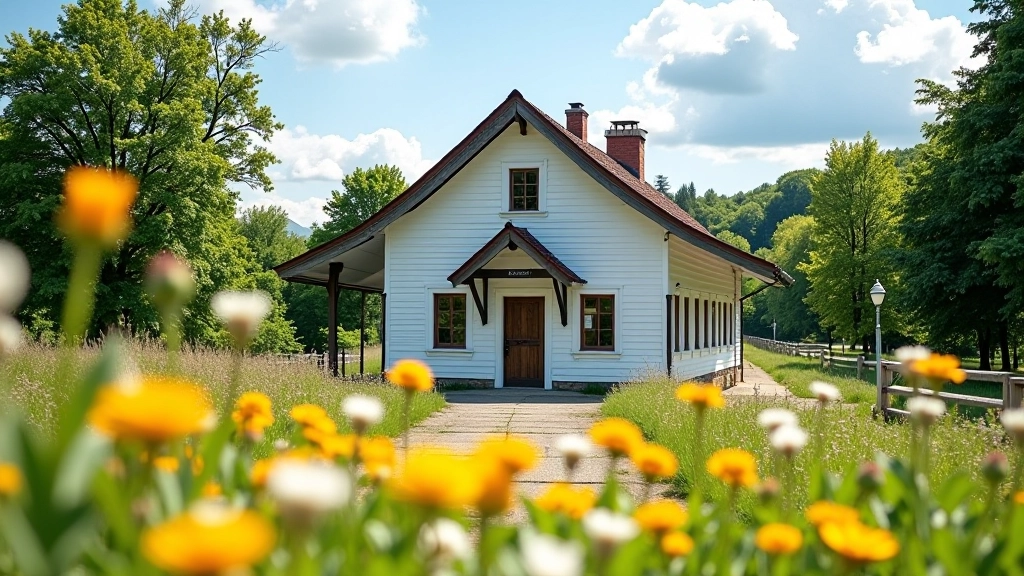
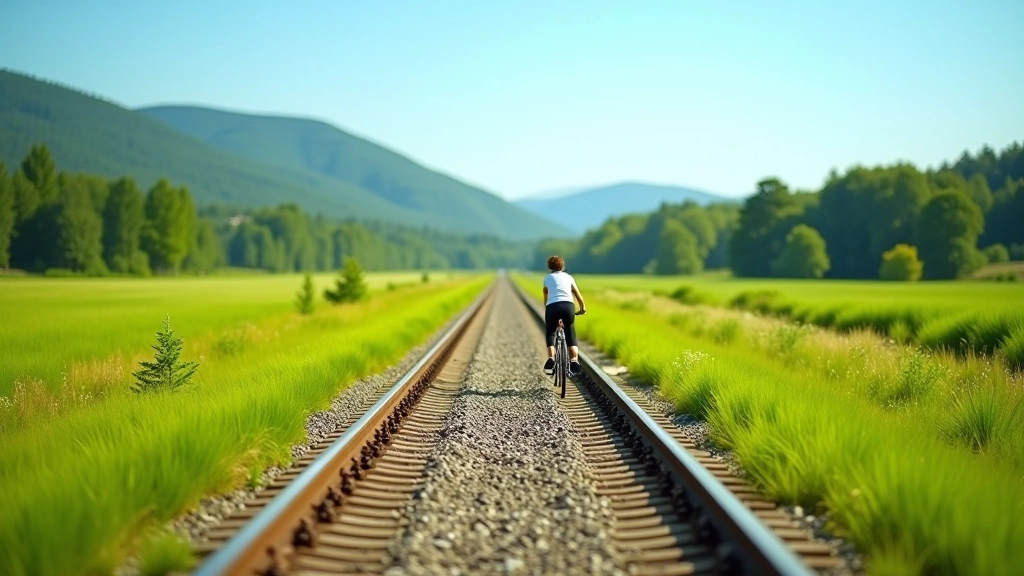
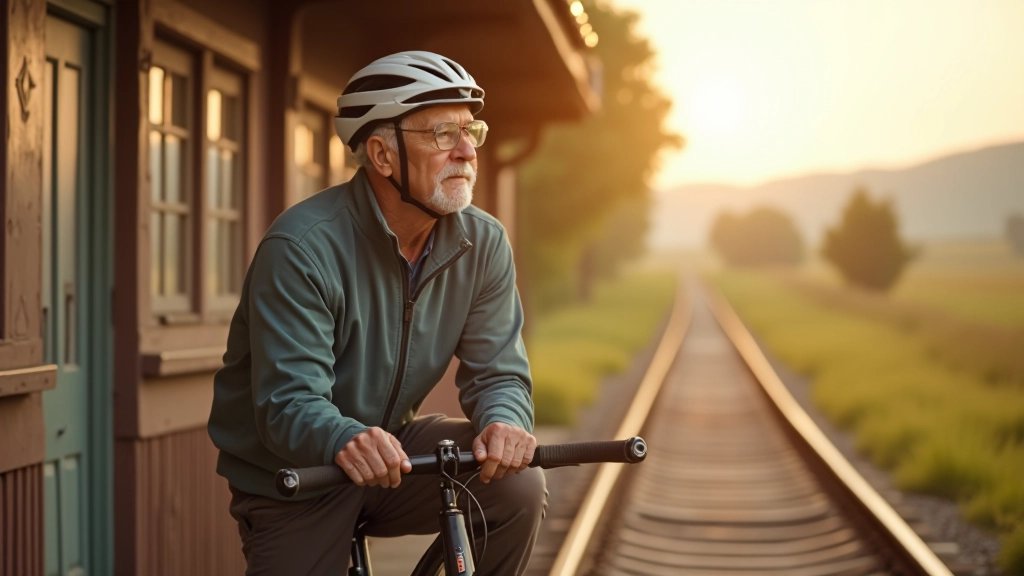
The Gulbene to Alūksne corridor isn't just a scenic ride — it's a chance to slow down and really experience the route. Over 36 kilometers of completely flat terrain, you've got time to stop at heritage stations, chat with locals, and enjoy proper breaks without feeling rushed.
Most people complete this route in a single day, but spreading it across two or three days changes everything. You'll see details you'd miss at faster speeds, stay energized instead of exhausted, and actually remember the journey.
Planning Your Route and Pacing
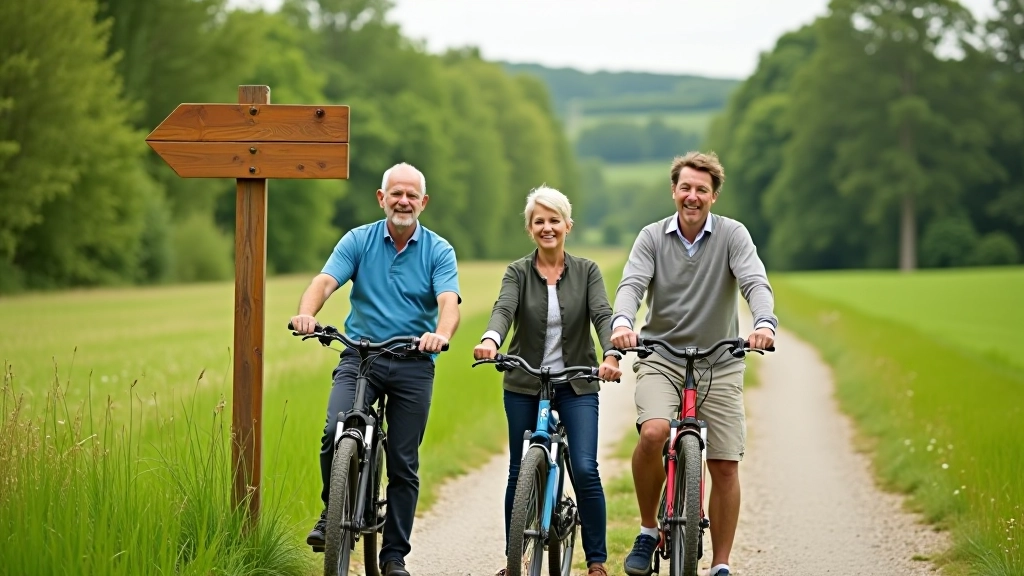
Here's the thing about multi-day cycling — it's less about distance and more about how you feel at the end of each day. We recommend breaking the 36 kilometers into manageable segments. Most cyclists split this as 18km on day one, then 18km on day two, but you could do 12km, 12km, and 12km if you prefer even easier days.
Start early each morning — 8 or 9am gives you time without the midday heat. Plan to stop for a proper lunch around the midpoint, maybe at Skaņa or Veclaicene stations. These stops aren't just about food; they're where the route's history comes alive. Allow yourself 90 minutes to 2 hours for lunch and exploring.
End your cycling by 3pm. You'll want time to settle into your accommodation, maybe explore the town, grab dinner without rushing. Plus, you won't be sore and exhausted — you'll actually want to do it again tomorrow.
Accommodation and Logistics
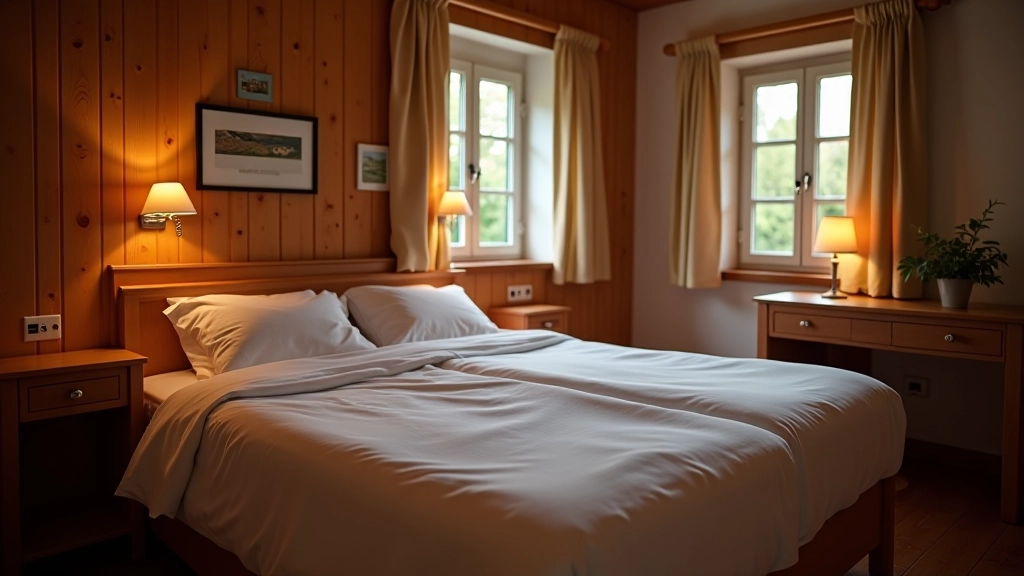
You've got a few options along the route. Alūksne has proper hotels and guesthouses if you want to start or end there. But honestly, the real experience comes from staying in smaller towns — places like Skaņa or the villages between Gulbene and Alūksne. These guesthouses are run by locals who know the route inside and out.
Book accommodation ahead, especially in July and August. A mid-range guesthouse room runs about 40-60 euros per night, includes a solid breakfast, and the owners can advise on bike storage and next-day routes. Don't skip breakfast — you'll need proper fuel, and these places do it well.
For luggage, either pack light and keep a small backpack, or arrange for your accommodation to hold an extra bag. You don't want to cycle with heavy panniers if you can avoid it — the route's easy terrain means comfort matters more than carrying capacity.
Informational Note: This guide is based on current conditions and local knowledge as of June 2026. Route conditions, accommodation availability, and services can change. Always check current weather forecasts, contact accommodations to confirm availability, and ensure your bike is properly maintained before departure. If you have mobility concerns or health conditions, consult appropriate professionals before undertaking multi-day cycling trips.
What to Pack and How to Prepare
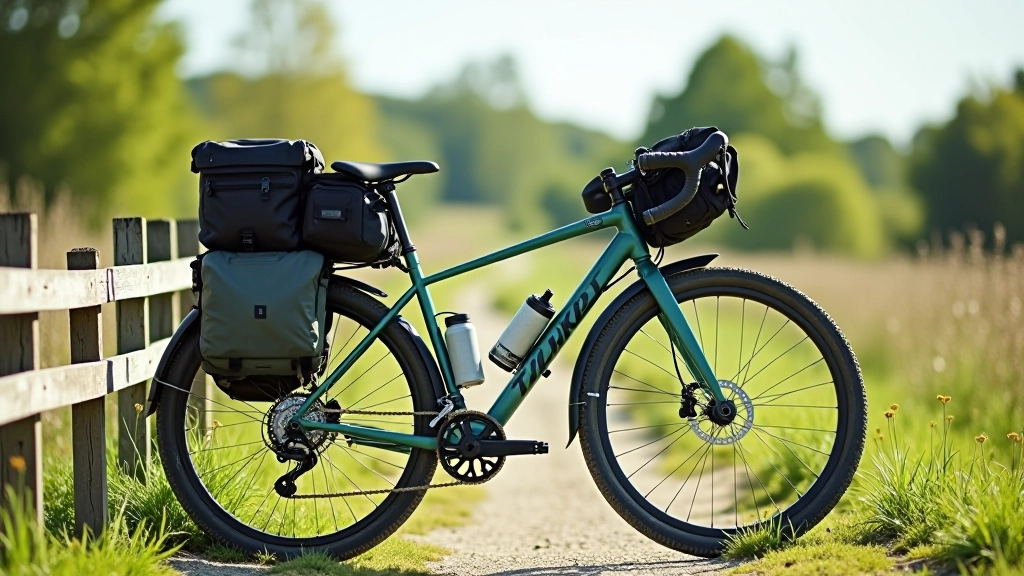
Packing light is essential. You're cycling on completely flat terrain with no technical challenges, so you don't need fancy equipment. A decent hybrid or touring bike works perfectly — you're not racing, you're touring.
For gear, bring: spare tube and pump (basic repair kit), lights (even in summer, you might be cycling early), water bottle (refill at stations), sunscreen, and a small first-aid kit. Comfortable padded shorts make a huge difference on day two. Don't forget rain gear — Latvia's weather changes quickly, and a lightweight rain jacket weighs almost nothing.
The week before, test-ride your bike for at least an hour. Check brakes, gears, and tire pressure. If anything feels off, take it to a local bike shop — you don't want to discover problems on the route. Most importantly, don't start training intensively right before your trip. You want to arrive fresh, not fatigued.
Day-by-Day Tips for Success
1
Day One: Start Slow
You've got energy on day one. Resist the urge to race. Cycle at a pace where you can hold a conversation — about 15-18 km/h. Stop frequently. Visit the first heritage station even if you don't need to. Your legs will thank you on day two.
2
Hydration and Breaks
Drink water before you feel thirsty. Every 5-8 kilometers, take a 5-minute break to stretch. Sounds like nothing, but small breaks every hour keep you feeling good instead of hitting a wall around kilometer 25.
3
Sunset Cycling Carefully
In June, it stays light until nearly 11pm. You might be tempted to cycle late. Don't. Your eyes get tired, and you'll miss the stations you came to see. End by 3pm, settle in, enjoy an evening walk through the town instead.
4
Day Two Mindset
Day two feels different. Your legs remember yesterday. That's normal. Eat a really good breakfast, start even earlier if possible, and know that by kilometer 10 you'll feel fine. You're almost done — enjoy it.
5
Interact with Locals
People along the route love talking about the heritage line. Ask guesthouse owners about history, chat with station staff, stop at local cafés. These conversations are what transform a bike ride into an actual adventure.
6
Bring a Camera
You'll want photos, but don't let picture-taking dominate your time. One good camera — phone is fine — and take a few shots at key stations. The memory of the ride matters more than the photos anyway.
Making Your Trip Unforgettable
The Heritage Corridor isn't demanding — that's exactly what makes it perfect for a multi-day adventure. You're not trying to prove anything or set records. You're cycling through history on one of Latvia's most unique routes, staying comfortable, eating well, and actually enjoying yourself.
Plan properly, pack light, start early, take breaks, and be present. Don't worry about covering distance fast. Most people who come back to this route a second time — and plenty do — tell us the same thing: the pacing and the stops made all the difference. You'll finish your trip tired in a good way, with stories to tell, and thinking about when you can return.
The route will be here whenever you're ready. Start planning now.
Related Articles