Heritage Stations Along the Route: Stories and Stops
Discover the restored railway stations that dot the Gulbene to Alūksne corridor — each one a window into Latvia's narrow gauge heritage and a perfect rest stop on your cycling journey.

Why These Stations Matter
The stations along the Gulbene to Alūksne route aren't just old buildings — they're living museums. Built between 1899 and 1931 for Latvia's narrow gauge railway system, these structures tell stories of how people once traveled, traded, and connected across the countryside. Today, they've been restored as cultural landmarks and practical rest stops for cyclists.
We've visited each station on the corridor and documented what you'll find there. Some have cafés, others host local exhibitions, and all of them offer a chance to step back in time while you catch your breath.
The Major Stops: Architecture and Atmosphere
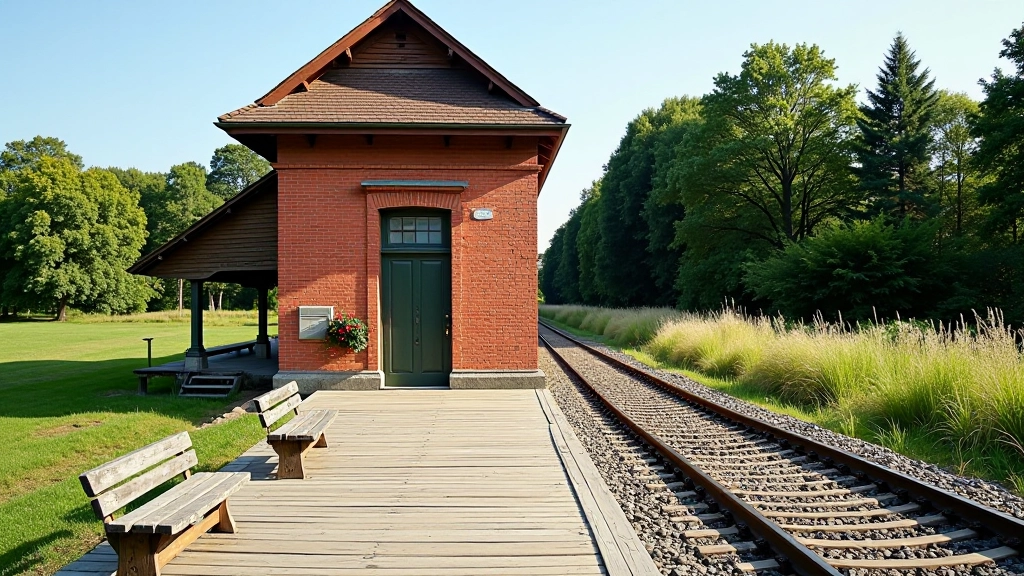
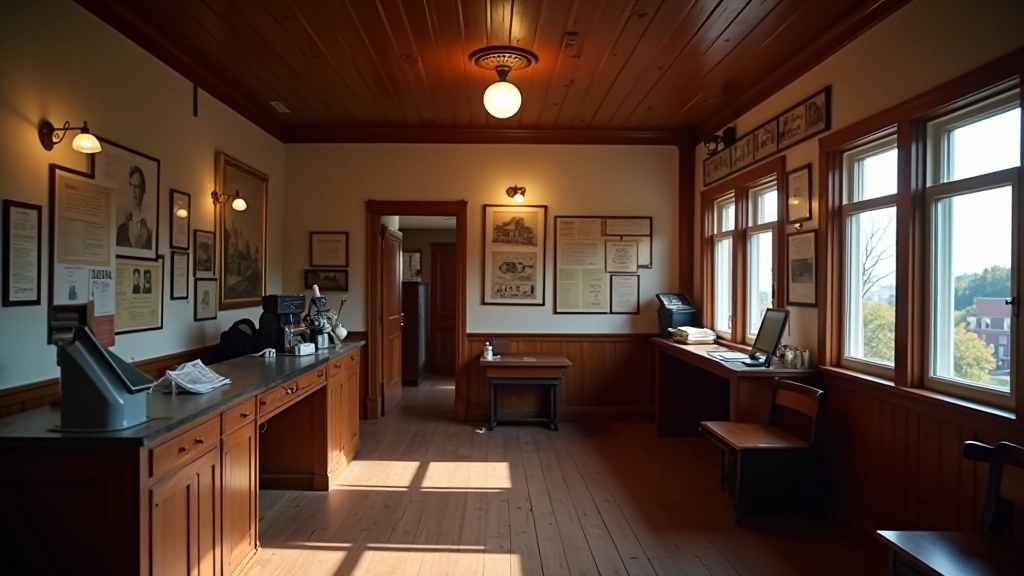
Each station along the 36-kilometer route has distinct character. Gulbene Station, your starting point, features the characteristic wooden platform and a beautifully restored ticket office. The building's gable roof and painted shutters reflect the rural elegance of early 20th-century railway design.
Alūksne Station, 36 kilometers away, sits near the town center and includes a small museum dedicated to the narrow gauge railway's history. It's an ideal final destination — you'll find proper facilities, a café, and benches where you can rest after your ride.
Between these two terminals, you'll encounter 8 smaller stations, each with something to notice. Some are fully staffed heritage centers. Others are simple platforms with shelter and information boards. All of them share that unmistakable red-brick or wooden construction that marks them as authentic pieces of Latvia's railway past.
What to Expect at Each Station
Facilities vary by location, but here's what you'll typically find:
Water & Rest Areas
Most stations have water fountains or hand pumps. All have benches and covered shelters where you can sit out of the sun or brief rain showers.
Visitor Centers
Gulbene and Alūksne stations have proper visitor facilities. Several mid-route stations operate seasonal exhibitions showing railway history and local culture.
Photo Opportunities
Every station's architecture is worth documenting. The restored platforms, vintage signage, and gardens make excellent backdrops for cycling memories.
Natural Settings
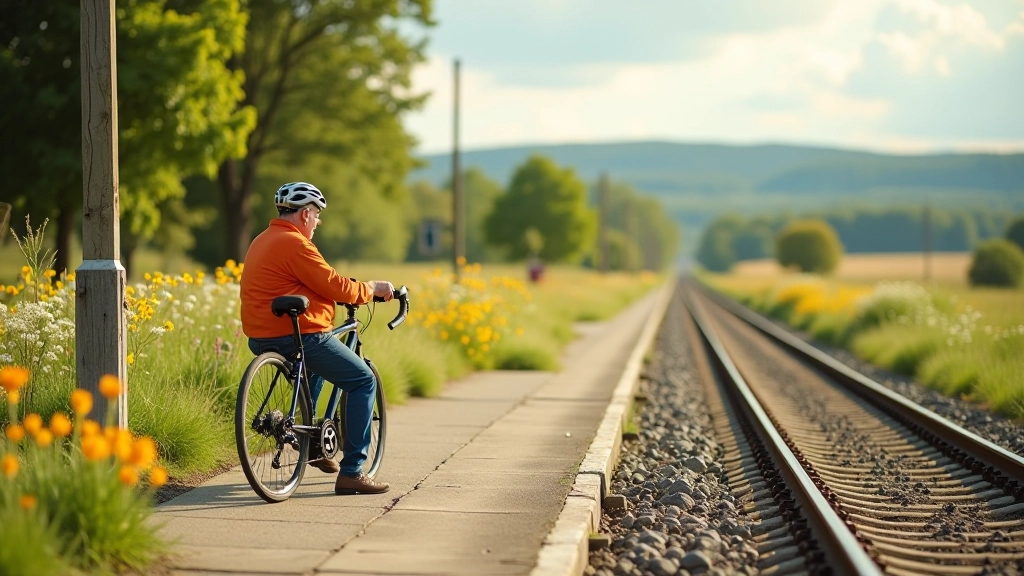
Stations are surrounded by farmland, woodlands, and small villages. You'll see the same landscapes that railway passengers saw a century ago.
Information Note: Station facilities, opening hours, and amenities can change seasonally. Some visitor centers operate only during summer months (May-September). We recommend checking with local tourism offices or the Gulbene-Alūksne Heritage Railway Association before your trip to confirm current facilities and any special events at each station.
Stories Within the Stations
The narrow gauge railway that connected these stations operated from 1901 to 1965. During its 64 years, it transported thousands of passengers — farmers heading to market, families visiting relatives, schoolchildren commuting to town. The stations were the heartbeat of rural transportation.
Today, local volunteers maintain exhibits that capture this history. You'll find old ticket stubs, period photographs, and stories about stationmasters who worked these platforms for decades. At Gulbene Station, there's a dedicated section about the railway's role in Latvia's independence movement — trains carried activists between towns during critical moments in the 1920s.
One display at Alūksne shows the daily schedule from 1950. Three trains ran each direction — morning, midday, and evening. The journey took about 90 minutes. On your bike, you'll cover the same distance in roughly three hours, with the freedom to stop whenever something catches your interest.
Timing Your Station Visits
We recommend stopping at least once every 10 kilometers. That means 3-4 main station visits plus shorter breaks at smaller platforms. A comfortable pace gives you time to rest, hydrate, and actually explore what's there.
Gulbene Station makes sense as your first real stop — take 30 minutes to grab coffee and check the exhibits. The midpoint stations (around kilometer 18) are perfect for a proper lunch break. If you're doing the route in one day, plan for 4-5 hours of actual cycling plus 1.5-2 hours of station time.
Peak season (June-August) brings more visitors, so morning rides are quieter. Spring and early autumn offer the best weather for cycling without summer crowds. Many stations display updated information about upcoming heritage events or temporary exhibitions — it's worth asking staff what's on.
Making the Most of Your Visits
Bring a small notebook or use your phone camera to document details that interest you — architectural elements, dates carved into stonework, or exhibits you'd like to learn more about later. The stations are wonderfully photogenic, and stopping to really look at them transforms your ride from pure exercise into cultural exploration.
Station staff are usually friendly and happy to share local knowledge. They'll point out details you might miss and can suggest nearby villages worth exploring if you have extra time. A few minutes of conversation often leads to stories that don't appear in any guidebook.
The Real Value of Stopping
The Gulbene to Alūksne route is fundamentally a bike path, but it's also a time journey. The stations are anchors — places where you can touch the physical reality of how this region developed over more than a century.
You could certainly pedal the 36 kilometers without stopping much. But you'd miss the reason these stations were restored in the first place. They exist now because communities recognized their cultural value and invested in preservation. By visiting them, resting there, and learning their stories, you're participating in that same act of cultural care.
Your pace on this route should be leisurely enough to enjoy the stations properly. Arrive without rushing. Sit on a bench. Look at the exhibits. Ask a question if staff are available. These small moments of engagement are what transform a cycling workout into a genuine experience.
Explore More Routes