The Gulbene to Alūksne Corridor: A Gentle 36-Kilometer Journey
Discover everything about this completely flat heritage route—from trailhead access and best seasons to rest stops and historical landmarks along the way.

Why This Route Matters
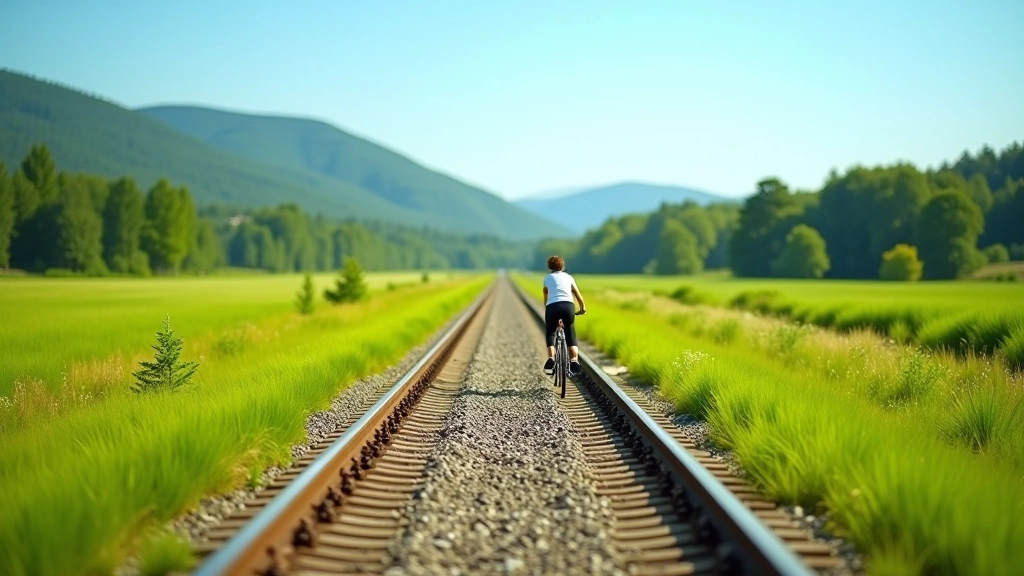
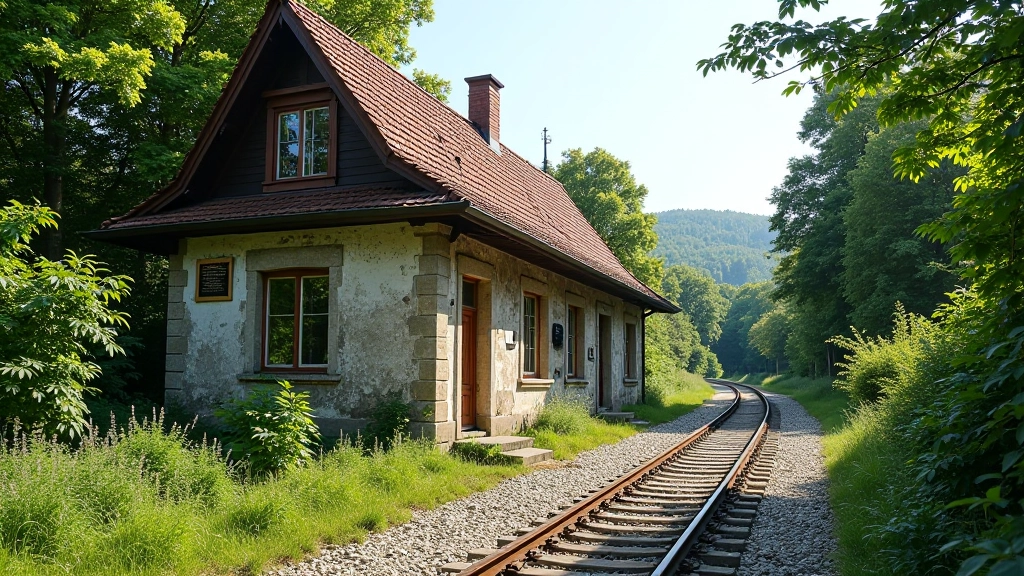
The Gulbene to Alūksne corridor isn't just another cycling path. It's a preserved stretch of the narrow gauge railway that once connected these two towns, now converted into one of Latvia's most accessible cycling routes. What makes it special? It's completely flat—no elevation changes whatsoever. For cyclists who want to enjoy the countryside without battling hills, this 36-kilometer journey delivers exactly what you're looking for.
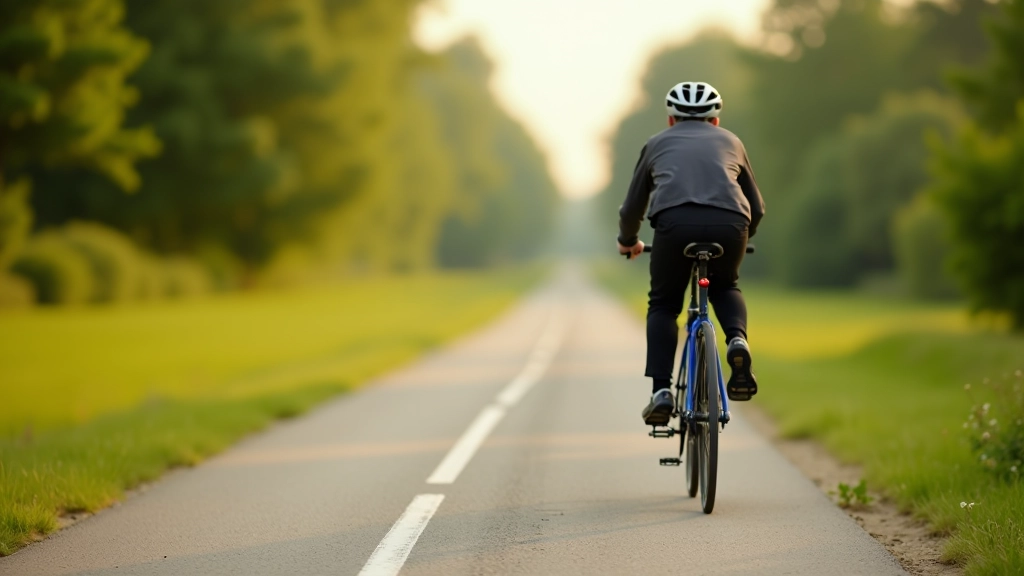
The route follows the original railway bed, which means gentle curves, stable surfaces, and that distinctive experience of pedaling where trains once ran. You'll pass through farmland, small villages, and forests that speak to Latvia's rural character. It's the kind of ride where you can actually have a conversation with your cycling partner and take in the surroundings.
Understanding the Route Structure
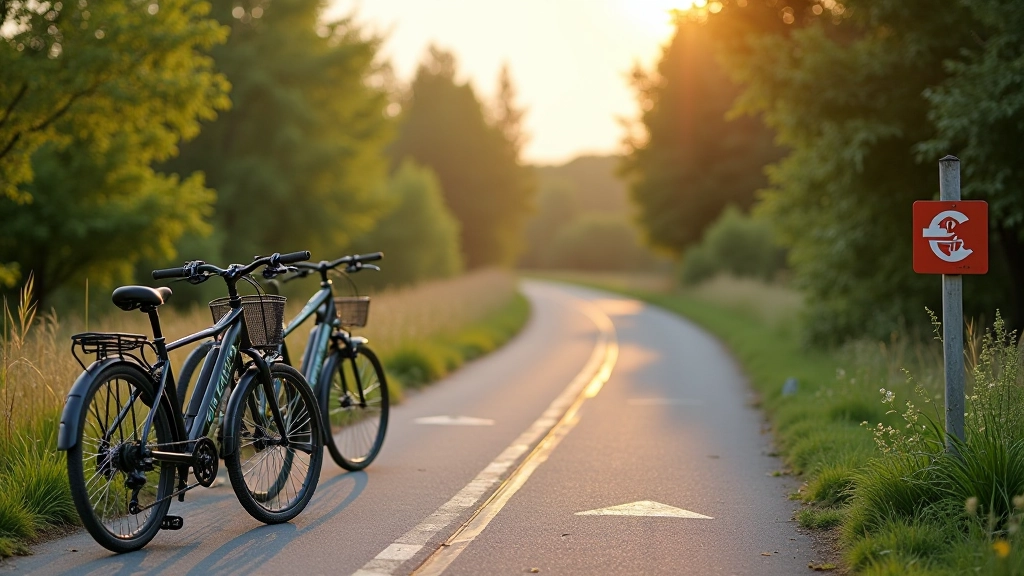
The corridor stretches 36 kilometers from Gulbene in the south to Alūksne in the north. It's a straightforward out-and-back route, or you can arrange a shuttle if you prefer one-way riding. The path surface varies—some sections are asphalt, others are compact gravel or crushed stone. Most cyclists report that a hybrid bike or gravel bike handles it perfectly. Road bikes work too, though the gravel sections feel rougher under thin tires.
You won't encounter any surprises here. No technical sections, no sudden climbs, no confusing junctions. The route is so well-marked that even first-time visitors navigate it without difficulty. That simplicity is exactly why it's become popular with pensioners and anyone seeking a stress-free cycling day.
Route Essentials: 36km total distance, 0m elevation gain, mixed surface (asphalt and gravel), well-marked throughout, accessible year-round
Getting There and Starting Your Ride
Gulbene sits about 200 kilometers northeast of Riga, roughly a 2.5-hour drive. The town has parking available near the railway station, which is the natural starting point. You'll see the corridor entrance clearly marked from the town center. If you're arriving by public transport, Gulbene is connected by bus services from Riga and other regional centers.
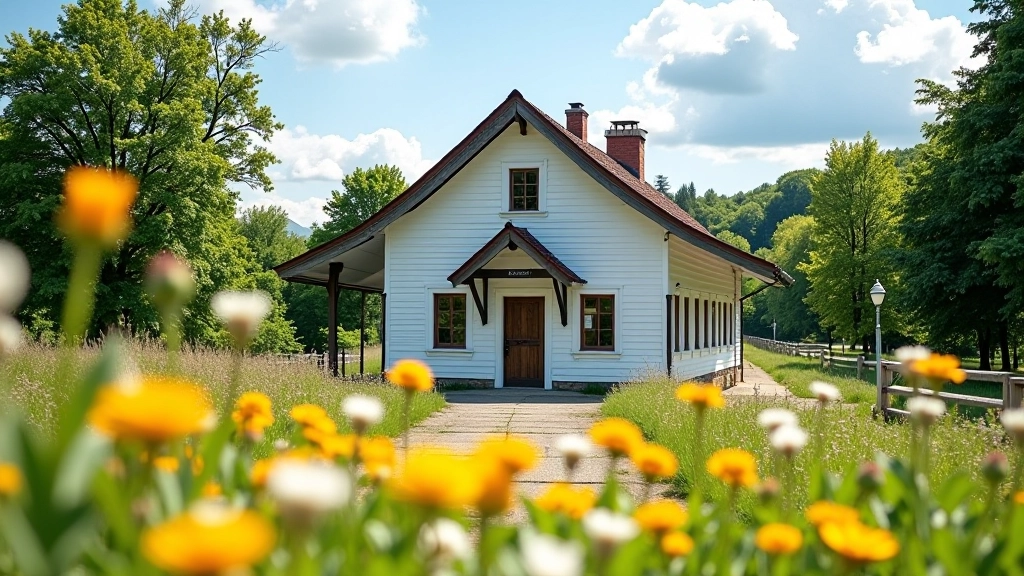
The southern trailhead at Gulbene offers basic facilities—a small café, restrooms, and a few benches where you can prep your bike. Don't expect extensive infrastructure. It's rural Latvia. That's part of the charm. Most riders pack water and snacks for the journey. You'll find a small café at the Alūksne end as well, roughly 36 kilometers north, but it's best not to rely on it for food or facilities.
Important Note: This article provides educational information about the Gulbene to Alūksne cycling corridor based on documented conditions and historical records. Actual trail conditions, seasonal changes, and facility availability may vary. Always check current conditions before planning your visit, carry appropriate safety gear, and consult with local tourism information for up-to-date details about services and facilities.
Best Times to Ride
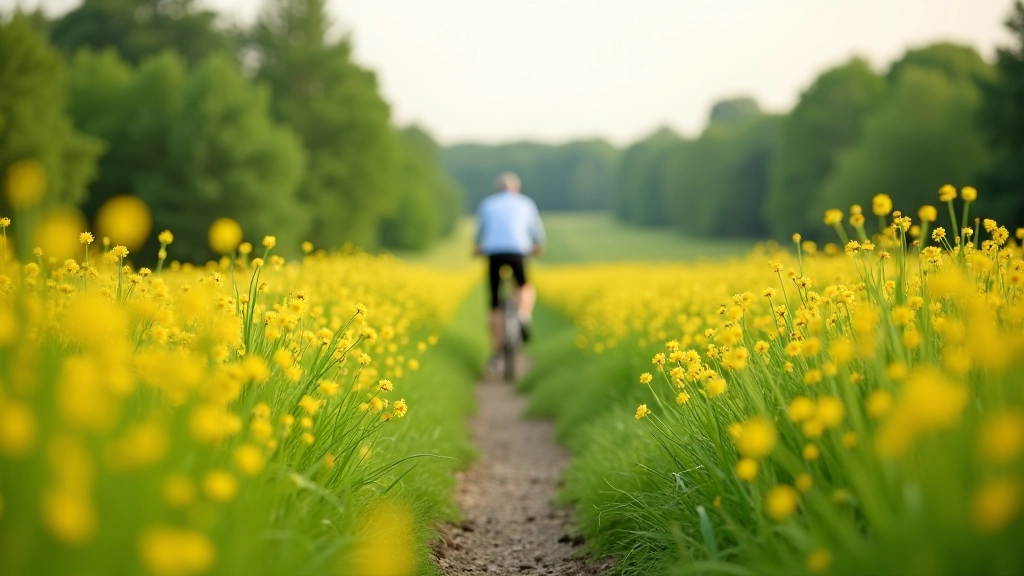
Late spring through early autumn is peak season here. May through September offers the most reliable weather and the most enjoyable experience. Spring (May-June) brings green meadows and longer daylight hours—you'll get excellent conditions and fewer crowds. Summer (July-August) is warmer but also busier with tourists.
Autumn (September-October) is actually wonderful. The crowds thin out, temperatures cool to comfortable levels for cycling, and the landscape turns golden. Winter riding is possible but requires appropriate tires and extra caution on potentially icy gravel sections. Spring mud can be an issue after heavy rain, so check conditions before heading out in April.
Timing Tip: Plan for 4-5 hours total if you're stopping to rest and enjoy the scenery. Don't rush—that defeats the purpose.
Rest Stops and Villages Along the Way
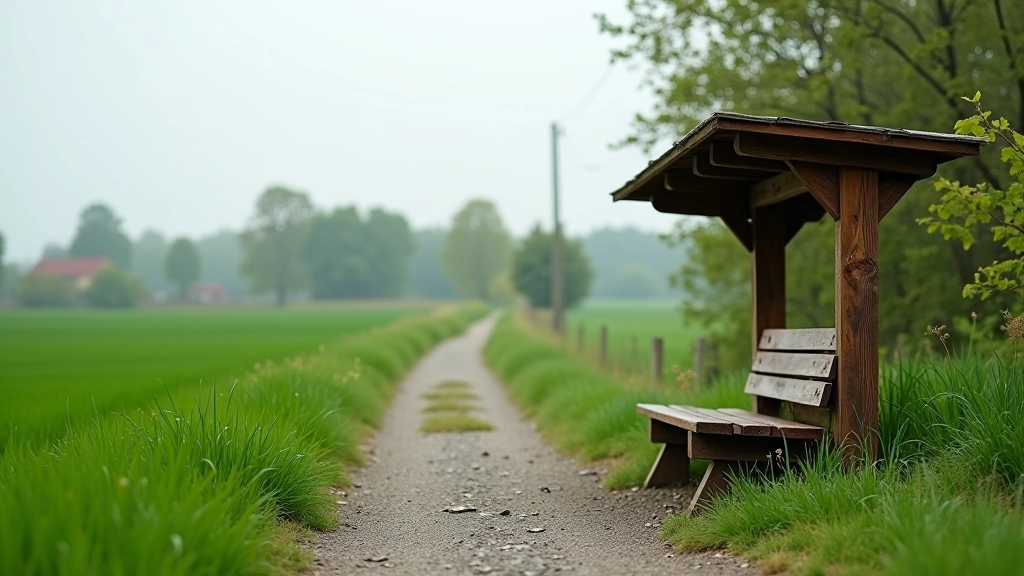
About halfway through the route, you'll pass through the small village of Stāmeriene. There's a community center here with basic facilities and sometimes a small shop. It's a natural break point—about 18 kilometers from Gulbene. Many cyclists stop here for water and a quick rest on one of the benches.
Several smaller hamlets dot the corridor. Vecumnieki, Anāņi, and Meirāni are tiny settlements where you might see locals walking or tending gardens. They're peaceful places to pause and take photos. There's no commercial infrastructure in these villages, so bring what you need. The landscape changes subtly as you move north—the forests become denser, the views open up occasionally to show distant hills.
The journey feels like stepping back in time. You're not cycling through developed areas. You're moving through working countryside where agriculture and forestry remain central to life. It's quiet. You'll hear birds, maybe a distant tractor, but little else.
What to Bring and How to Prepare
Preparation keeps the ride enjoyable. Pack at least 2 liters of water—it's a 4-5 hour journey depending on your pace. Bring snacks. Energy bars, fruit, or sandwiches work well. Your bike should be in good mechanical condition. Check tire pressure before starting—firm tires handle gravel better than soft ones. Hybrid bikes and gravel bikes are ideal, but any bike with decent tires will work.
Wear sunscreen and a hat. The route has minimal shade for long stretches, and you'll be exposed. A light rain jacket is sensible even in summer—weather can change quickly. Comfortable cycling shorts and moisture-wicking clothing make a real difference on a longer ride like this. Don't overlook basic tools: a pump, spare tube, and multi-tool solve most roadside problems.
Tell someone where you're going and when you expect to return. Mobile coverage is decent but not guaranteed everywhere. Starting early—before 10 AM—gives you a full day without rushing and ensures you finish before darkness falls, especially important in spring and autumn.
Making the Most of Your Journey
The Gulbene to Alūksne corridor delivers something increasingly rare: a cycling experience that's neither crowded nor difficult, yet genuinely rewarding. It's not about speed or challenge. It's about spending time outdoors, moving through landscape at a human pace, and discovering what a preserved railway corridor becomes when cyclists are given the chance to use it.
Whether you're a pensioner looking for a manageable day out, a cyclist seeking gentle terrain, or someone interested in heritage infrastructure, this route offers something authentic. The 36 kilometers unfold without drama or pretension. You pedal, you rest, you observe. That simplicity is exactly what makes it special.
Plan your visit for late spring or early autumn. Prepare sensibly. Bring water and snacks. Start early. And don't rush. The corridor has been waiting since the railway closed decades ago. It's not going anywhere, and neither should you.
Related Articles